Welcome to the Roof of Africa, Celebrate the Beauty of Mount Kilimanjaro National Park, Tanzania
Welcome to Mount Kilimanjaro, the legendary Roof of Africa and home to the continent's highest peak, standing at an impressive 5,895 metres (19,341 feet) above sea level. Located in northern Tanzania, Mount Kilimanjaro is one of the world's most iconic natural wonders and a must-visit destination for travellers seeking extraordinary nature, adventure, and unforgettable experiences.
Beyond its remarkable height, Mount Kilimanjaro National Park is a world of breathtaking beauty, featuring lush tropical rainforests, diverse wildlife, fascinating vegetation zones, alpine deserts, and spectacular snow-capped summit views. Its unique natural environment makes it one of the most extraordinary national parks in Africa.
Whether you dream of climbing to Uhuru Peak, exploring beautiful mountain trails, discovering its rich biodiversity, or simply admiring the magnificent mountain, Kilimanjaro offers something special for every nature lover and adventure enthusiast.
Discover the beauty of Africa's highest mountain with Morishas Tours & Safaris, your local Tanzania tour operator, and experience unforgettable mountain adventures with professional local guides and personalized travel experiences.
About Mount Kilimanjaro National Park
Mount Kilimanjaro National Park is one of Tanzania's most remarkable natural treasures, protecting Mount Kilimanjaro, Africa's highest mountain, and its surrounding natural ecosystems. Located in northern Tanzania, near Moshi town and the Kenya border, the park covers approximately 1,688 square kilometres and is internationally recognized for its outstanding natural beauty and ecological importance.
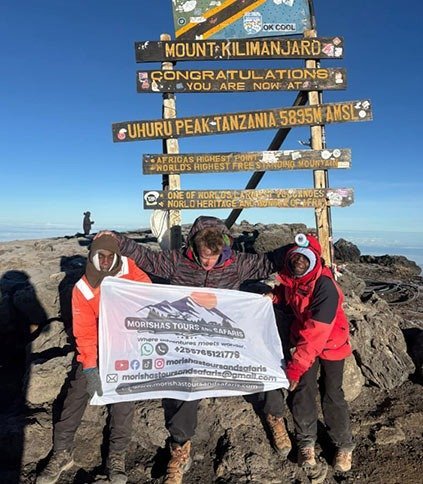
Established in 1973, Mount Kilimanjaro National Park became a UNESCO World Heritage Site in 1987. It is home to the magnificent Mount Kilimanjaro, which rises 5,895 metres (19,341 feet) above sea level and features three volcanic cones: Kibo, Mawenzi, and Shira. Kibo is the highest cone and home to Uhuru Peak, the highest point in Africa.
Climbing and Trekking Mount Kilimanjaro
One of the main attractions of Mount Kilimanjaro National Park is climbing and trekking to the summit of Africa's highest mountain. Every year, adventurers from different parts of the world travel to Tanzania to experience the challenge and beauty of reaching Uhuru Peak.
Mount Kilimanjaro offers several established trekking routes, including Machame, Marangu, Lemosho, Rongai, Northern Circuit, Umbwe, and Shira. Each route provides a different experience, with unique landscapes, scenery, difficulty levels, and acclimatization opportunities.
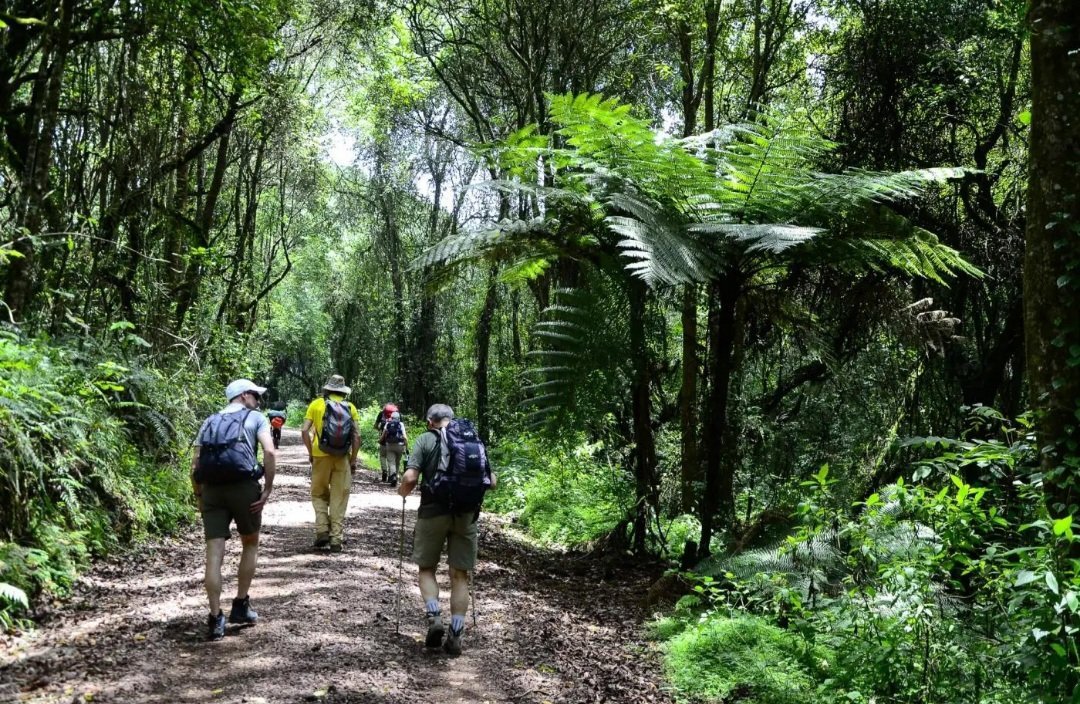
The journey takes climbers through several remarkable ecological zones, beginning with lush tropical rainforests, followed by heath and moorland, alpine desert, and finally the high-altitude arctic environment near the summit. Reaching Uhuru Peak is an unforgettable achievement, offering breathtaking views and the extraordinary feeling of standing on the Roof of Africa.
Climbing Mount Kilimanjaro does not require technical mountaineering skills, but proper preparation, physical fitness, sufficient acclimatization, and experienced mountain guides are essential for a safe and successful trek.
Nature, Wildlife and Scenic Landscapes
Beyond climbing, Mount Kilimanjaro National Park is famous for its diverse vegetation, beautiful mountain forests, unique wildlife, and spectacular natural scenery. The lower mountain slopes are covered with montane forests, which provide habitats for animals such as blue monkeys, colobus monkeys, forest antelopes, and numerous bird species.
Visitors can also appreciate the mountain's impressive volcanic formations, beautiful waterfalls in the surrounding region, changing landscapes, and remarkable views of the surrounding plains.
Geography, Location and Size of Mount Kilimanjaro National Park
Mount Kilimanjaro National Park is located in northeastern Tanzania, within the Kilimanjaro Region, close to the international border with Kenya. The park lies approximately 300 kilometres south of the Equator and is easily accessed from Moshi town, which serves as one of the main gateways for visitors exploring and climbing Mount Kilimanjaro.
Covering an area of approximately 1,688 square kilometres (652 square miles), the national park protects the mountain's main volcanic massif, its surrounding forests, high-altitude landscapes, and important natural ecosystems.
Geographically, Mount Kilimanjaro is a massive isolated volcanic mountain rising dramatically from the surrounding plains. Its landscape is dominated by three volcanic cones: Kibo, Mawenzi, and Shira. Kibo, which reaches 5,895 metres above sea level, contains Uhuru Peak, the highest point in Africa. The mountain's remarkable elevation creates significant changes in climate, vegetation, and natural habitats as visitors move from the lower slopes towards the summit.
The park's geographical environment includes montane rainforests, heathlands, moorlands, alpine deserts, and the high-altitude summit zone. Its unique position and elevation also provide spectacular views of the surrounding Tanzanian landscape and, on clear days, neighbouring Mount Meru and the plains extending towards Kenya.
With its impressive geographical features, diverse ecosystems, and convenient access from Moshi and the surrounding region, Mount Kilimanjaro National Park is one of Tanzania's most distinctive destinations for mountain trekking, nature exploration, and adventure tourism.
Climate and Weather Zones of Mount Kilimanjaro National Park
Mount Kilimanjaro National Park experiences different climatic conditions due to the mountain's impressive elevation, ranging from warm tropical conditions around its lower slopes to extremely cold temperatures near the summit. As visitors climb higher, temperatures, rainfall, vegetation, and weather conditions change significantly, creating several distinct climatic and ecological zones.
The mountain is generally divided into five major vegetation and climate zones:
1. Cultivation Zone (800–1,800 Metres)
The lower slopes of Mount Kilimanjaro are characterized by fertile agricultural land, green villages, coffee plantations, and banana farms. The climate is generally warm and suitable for farming, with rainfall supporting rich vegetation and local communities.
2. Montane Forest Zone (1,800–2,800 Metres)
This zone features beautiful tropical mountain rainforests, tall trees, thick vegetation, moss-covered branches, and diverse wildlife. It receives considerable rainfall, particularly during the wet seasons, and provides a cool, humid environment for hikers.
3. Heath and Moorland Zone (2,800–4,000 Metres)
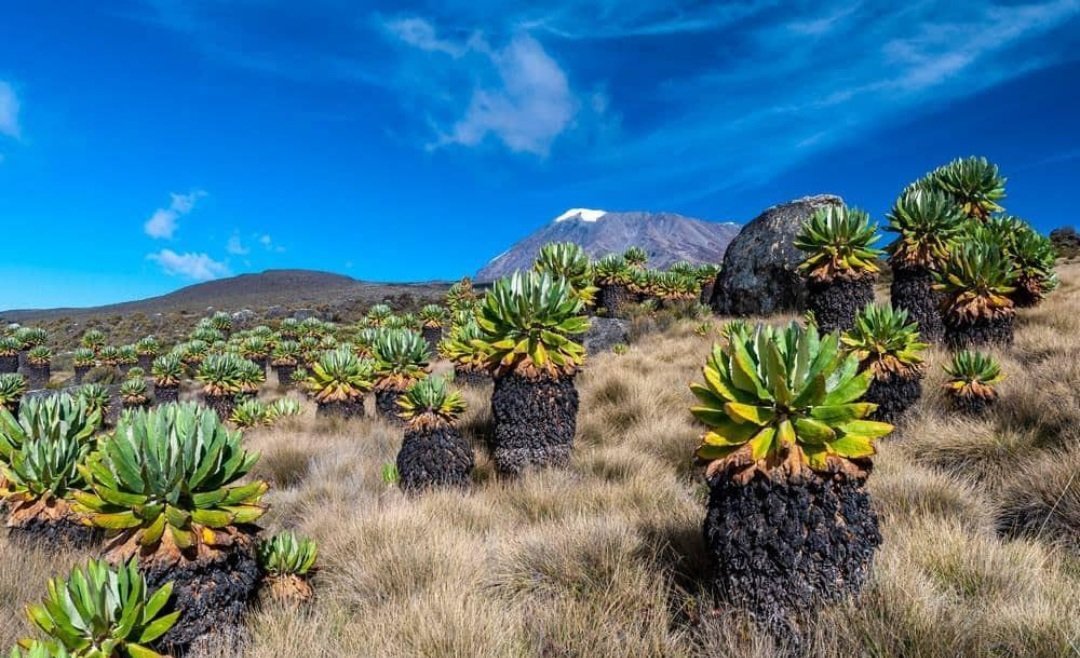
As the forest becomes thinner, the landscape opens into heath and moorland, characterized by unique high-altitude plants, giant groundsels, lobelias, grasses, and beautiful open scenery. Temperatures become cooler, and visitors begin experiencing more noticeable changes in altitude and weather.
4. Alpine Desert Zone (4,000–5,000 Metres)
The alpine desert is a dry, rocky environment with limited vegetation, strong sunlight during the day, and very cold temperatures at night. The landscape becomes increasingly dramatic, with volcanic rocks, open terrain, and spectacular mountain views.
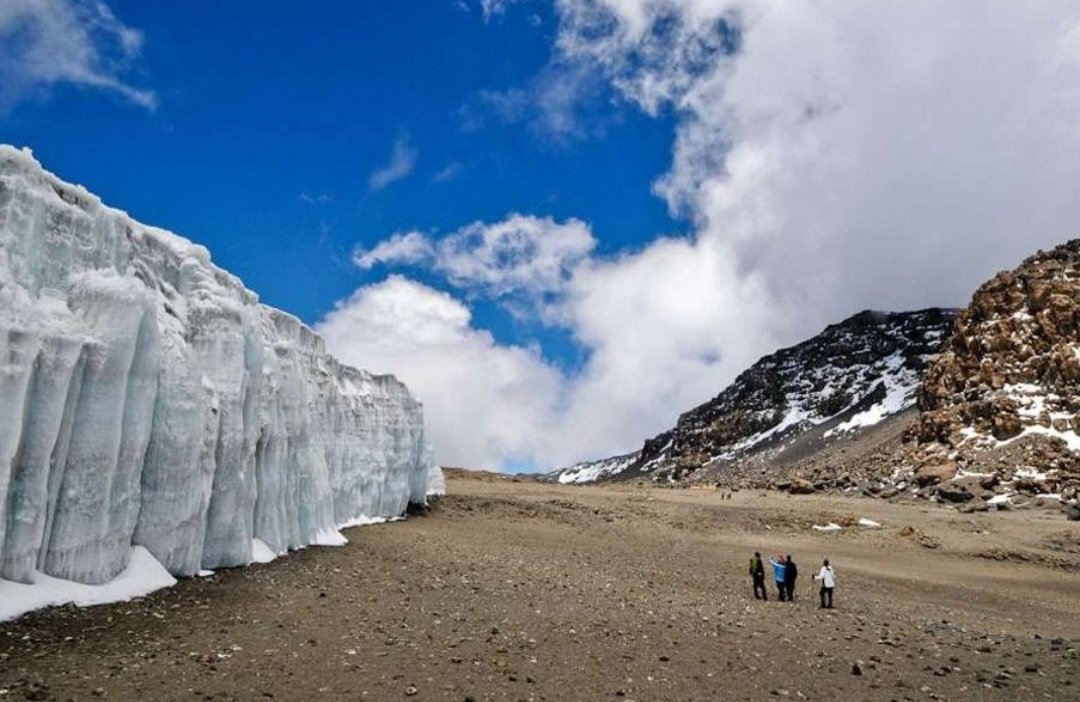
5. Arctic Summit Zone (Above 5,000 Metres)
The highest zone is an extremely cold alpine environment characterized by ice, glaciers, snow, and exposed rocky terrain. Temperatures can fall significantly below freezing, especially during summit night. This is where climbers approach Uhuru Peak at 5,895 metres, the highest point in Africa.
Weather conditions can change quickly at high altitude, so proper clothing, preparation, and guidance from experienced mountain guides are essential.
Vegetation and Plant Life of Mount Kilimanjaro National Park
Mount Kilimanjaro National Park is home to remarkable plant diversity, shaped by changes in altitude, temperature, rainfall, and soil conditions. As the mountain rises from its lower slopes towards the summit, the vegetation changes dramatically, creating different natural habitats and some of the most fascinating botanical landscapes in Tanzania.
The park's vegetation ranges from green tropical mountain forests to open moorlands, alpine desert plants, and the sparse vegetation of the high-altitude summit zone.
1. Montane Rainforest
The lower mountain slopes are covered with lush montane rainforests featuring tall trees, thick vegetation, ferns, mosses, and beautiful forest trails. Common tree species include camphor trees, fig trees, and African junipers. This forest environment also provides important habitats for wildlife and numerous bird species.
2. Heath and Moorland Vegetation
At higher elevations, dense forests gradually give way to open heathlands and moorlands. This zone is characterized by heather, grasses, giant groundsels, and giant lobelias. These remarkable plants have adapted to the mountain's changing temperatures and challenging high-altitude conditions.
3. Giant Groundsels and Lobelias
One of the most fascinating features of Mount Kilimanjaro is its unique high-altitude vegetation. Giant groundsels (Dendrosenecio kilimanjari) and giant lobelias are among the most recognizable plants found in the mountain's moorland and alpine environments. Their unusual shapes and ability to survive cold nights and strong sunlight make them special attractions for trekkers and nature enthusiasts.
4. Alpine Desert Vegetation
The alpine desert zone has very limited plant life because of its dry conditions, intense sunlight, and extreme temperature changes. Only a few specially adapted plants can survive in this harsh environment, where vegetation becomes increasingly scattered towards the summit.
5. Summit Zone
Near Uhuru Peak, vegetation is extremely limited due to freezing temperatures, strong winds, and low moisture levels. The landscape is mainly characterized by rocks, ice, glaciers, and sparse forms of hardy vegetation.
The extraordinary vegetation of Mount Kilimanjaro makes the national park an important destination for nature lovers, botanists, photographers, and mountain trekkers. Exploring these changing plant communities is one of the most memorable experiences of climbing Africa's highest mountain.
Wildlife and Animals of Mount Kilimanjaro National Park
Mount Kilimanjaro National Park is home to a variety of wildlife species that inhabit its different forest and mountain ecosystems. Although the park is best known for Africa's highest mountain, its lower slopes and montane forests also provide important habitats for mammals, birds, and other fascinating wildlife.
Some of the animals that can be found in the park include:
1. Blue Monkeys
Blue monkeys are among the commonly encountered primates in the mountain's forest zone. They live in groups and are often seen moving through the forest canopy.
2. Black-and-White Colobus Monkeys
These beautiful monkeys are recognized by their striking black-and-white fur and long flowing tails. They inhabit the montane forests and are among the interesting animals visitors may encounter.
3. Bushbucks
Bushbucks are shy forest antelopes that inhabit areas with thick vegetation. They are usually difficult to spot because they tend to remain hidden in the forest.
4. Elephants
African elephants occasionally move through the forest corridors and lower mountain slopes, particularly around the western and northern parts of the mountain ecosystem.
5. Other Wildlife
Other wildlife associated with the park and its forest habitats includes duikers, bush pigs, tree hyraxes, and various small mammals.
Birdlife on Mount Kilimanjaro
Mount Kilimanjaro is also an excellent destination for birdwatching, with numerous bird species inhabiting its different vegetation zones. Visitors may encounter Hartlaub's turaco, silvery-cheeked hornbills, African crowned eagles, sunbirds, and other forest and mountain birds.
The variety of wildlife and birdlife adds another dimension to the Mount Kilimanjaro experience, making the national park more than just a mountain-climbing destination. It is also an important natural habitat for wildlife and a fascinating place for nature exploration.
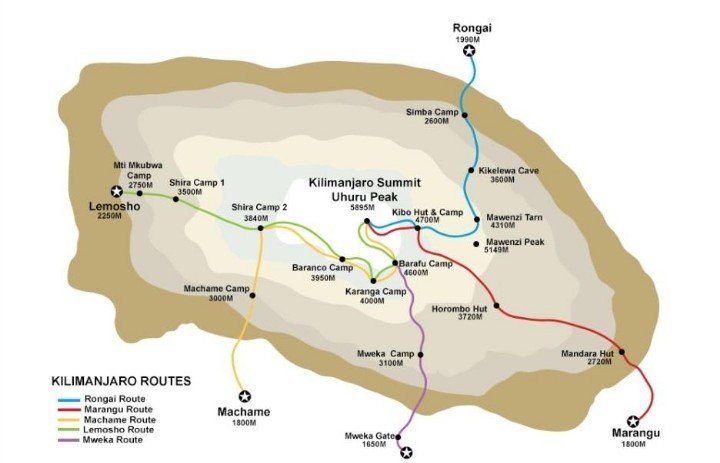
The Seven Main Routes for Climbing Mount Kilimanjaro
Mount Kilimanjaro offers seven established trekking routes leading towards Uhuru Peak, the highest point in Africa at 5,895 metres above sea level. Each route provides a different climbing experience, featuring unique landscapes, mountain scenery, difficulty levels, and acclimatization opportunities.
Choosing the right Kilimanjaro climbing route is an important part of planning a successful trek. Some routes are known for their beautiful scenery, others for their shorter itineraries, quieter trails, or additional time for altitude acclimatization.
Here are the seven main routes used to climb Mount Kilimanjaro:
1. Marangu Route
The Marangu Route, also known as the Coca-Cola Route, is one of the oldest and most established routes on Mount Kilimanjaro. It approaches the mountain from the southeastern side and is particularly known for its mountain huts, where climbers sleep in shared accommodation instead of tents.
The route passes through beautiful rainforest, moorland, and alpine desert before reaching Uhuru Peak. It is commonly completed in 5 or 6 days, although additional acclimatization days can be arranged.
2. Machame Route
The Machame Route, popularly known as the Whiskey Route, is one of the most popular climbing routes on Mount Kilimanjaro. It approaches the mountain from the south and is famous for its spectacular scenery and varied landscapes.
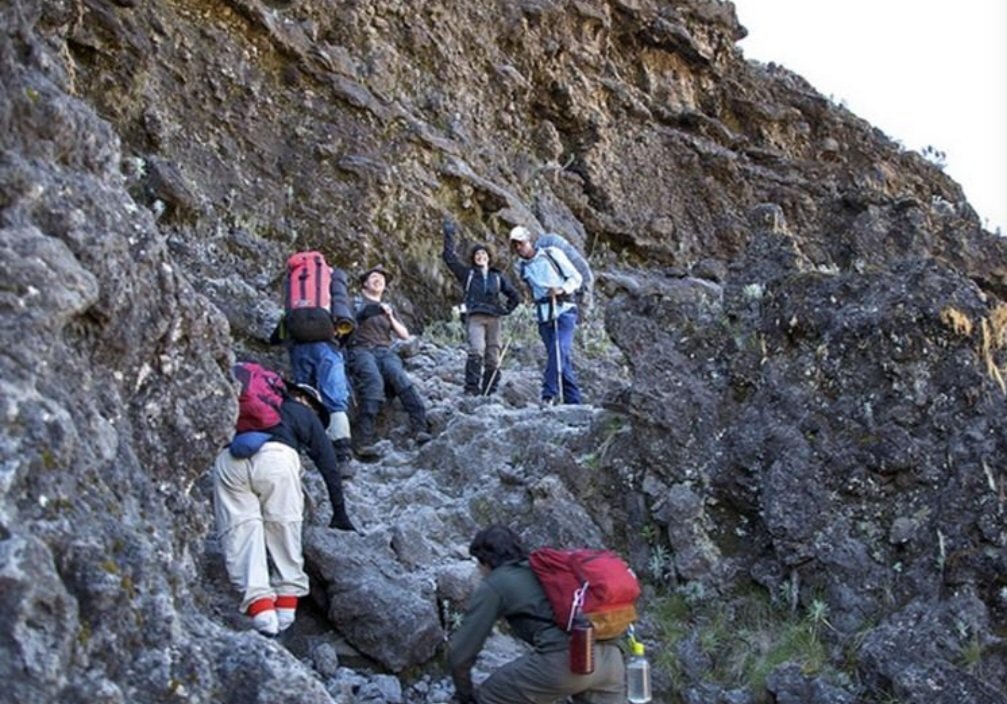
Climbers pass through lush rainforests, impressive moorlands, the Shira Plateau, and the famous Barranco Wall before continuing towards the summit. The route is commonly completed in 6 or 7 days and offers good opportunities for acclimatization.
3. Lemosho Route
The Lemosho Route is widely appreciated for its beautiful scenery, relatively quieter starting trails, and longer acclimatization itineraries. It begins on the western side of Mount Kilimanjaro and crosses through beautiful rainforest and open mountain landscapes.
As the journey continues, climbers explore the spectacular Shira Plateau before joining the southern circuit towards the summit. The route is generally completed in 7 or 8 days, making it an excellent option for climbers who prefer a longer trekking experience.
4. Rongai Route
The Rongai Route approaches Mount Kilimanjaro from the northern side, near the Kenya border. It is known for its relatively remote atmosphere, beautiful wilderness scenery, and generally drier conditions on the northern slopes.
The route offers a different perspective of the mountain compared to the southern approaches. Climbers pass through forest, moorland, and alpine desert before reaching the summit. It is commonly completed in 6 or 7 days.
5. Northern Circuit Route
The Northern Circuit is the longest established trekking route on Mount Kilimanjaro and offers an extensive journey around the northern slopes of the mountain.
Starting from the western side, the route passes through the Shira Plateau before continuing around the quieter northern circuit. Its longer itinerary provides additional time for acclimatization and opportunities to enjoy spectacular mountain scenery.
The route is generally completed in 8 or 9 days and is an excellent choice for climbers seeking a longer adventure and more time to adapt to the altitude.
6. Umbwe Route
The Umbwe Route is one of the steepest and most challenging approaches to Mount Kilimanjaro. It begins on the southern side of the mountain and features steep trails through dense rainforest and dramatic mountain terrain.
Because of its rapid ascent and limited acclimatization time on shorter itineraries, it is generally recommended for experienced and physically prepared trekkers. The route usually takes around 6 or 7 days, depending on the itinerary.
7. Shira Route
The Shira Route approaches Mount Kilimanjaro from the western side and begins at a relatively high elevation on the Shira Plateau. It offers beautiful scenery, wide-open landscapes, and impressive views of the mountain.
The route crosses the Shira Plateau before connecting with the southern circuit towards the summit. It is generally completed in 7 or 8 days.
Because the starting point is already at a high altitude, climbers should consider their acclimatization carefully when choosing this route.
Choosing the Best Route for Climbing Mount Kilimanjaro
The best route depends on several factors, including your trekking experience, physical preparation, available time, budget, preferred scenery, and ability to adapt to high altitude.
Longer itineraries generally provide more opportunities for acclimatization, which is important for improving your chances of reaching the summit safely.
At Morishas Tours & Safaris, we organize customized Mount Kilimanjaro climbing and trekking experiences through all seven main routes. Whether you prefer Marangu, Machame, Lemosho, Rongai, Northern Circuit, Umbwe, or Shira, we can help you choose a suitable route and organize your adventure with experienced local mountain guides.
How to Get to Mount Kilimanjaro National Park – Airports, Transfers and Starting Points
Mount Kilimanjaro National Park is located in northern Tanzania, near the towns of Moshi and Arusha. The mountain is one of the most accessible major trekking destinations in East Africa, with several transport options for international and local travellers.
Whether you are arriving in Tanzania for a Kilimanjaro climb, a safari, or a combination of mountain and wildlife experiences, reaching the park is straightforward with proper travel arrangements.
1. Flying to Tanzania
International travellers planning to climb Mount Kilimanjaro commonly arrive through Kilimanjaro International Airport (JRO), which serves the northern tourism circuit.
Other travellers may arrive through Julius Nyerere International Airport (DAR) in Dar es Salaam and continue to northern Tanzania by domestic flight or road transfer.
Arusha Airport (ARK) also serves domestic flights and can be useful for travellers connecting from other destinations within Tanzania.
2. Kilimanjaro International Airport (JRO)
Kilimanjaro International Airport is the main international gateway for visitors travelling to Mount Kilimanjaro, Moshi, Arusha, and the northern safari circuit.
From the airport, travellers can arrange transfers to:
- Moshi town.
- Arusha city.
- Nearby hotels and lodges.
- Kilimanjaro National Park gates.
- Safari destinations in northern Tanzania.
Moshi is generally closer to the mountain's main southern and eastern access points, while Arusha provides another popular base for tourism activities.
3. Travelling from Moshi to Kilimanjaro National Park
Moshi is one of the main starting points for Mount Kilimanjaro climbing adventures.
The town offers hotels, restaurants, equipment rental services, tour offices, and other facilities for trekkers.
Depending on your chosen route, transfers from Moshi are arranged to the appropriate park entrance, including Marangu, Machame, or other designated access points.
4. Travelling from Arusha to Mount Kilimanjaro
Arusha is another important tourism hub in northern Tanzania.
Travellers staying in Arusha can arrange road transfers to Moshi or directly to the appropriate Kilimanjaro National Park entrance, depending on their climbing route.
Arusha is also a convenient starting point for visitors combining Kilimanjaro trekking with wildlife safaris in Tarangire, Lake Manyara, Serengeti, and Ngorongoro.
5. Main Entrance Gates and Starting Points
Mount Kilimanjaro has several designated entrance gates used by climbers depending on their selected route.
Some of the main access points include:
- Marangu Gate: Starting point for the Marangu Route.
- Machame Gate: Starting point for the Machame Route.
- Londorossi Gate: Main access point for the Lemosho Route.
- Rongai Gate: Access point for the Rongai Route, near the Kenyan border.
- Lemosho access area: Used for routes approaching through the western side of the mountain.
- Mweka Gate: Commonly used for descending after climbs on routes such as Machame and Lemosho.
The starting gate depends on the route and the park's approved access arrangements.
6. Road Transfers and Transport Arrangements
Road transfers are an important part of organizing a Kilimanjaro climbing trip.
Travellers may require transportation between the airport, hotel, mountain entrance, and final exit gate.
Transfer arrangements should be planned according to the climbing itinerary, arrival time, hotel location, and selected route.
7. Combining Kilimanjaro Climbing with Tanzania Safaris
Many visitors choose to combine their Mount Kilimanjaro adventure with a wildlife safari or a Zanzibar beach holiday.
Popular combinations include:
- Mount Kilimanjaro and Serengeti National Park.
- Mount Kilimanjaro and Ngorongoro Crater.
- Mount Kilimanjaro and Tarangire National Park.
- Mount Kilimanjaro and Lake Manyara.
- Mount Kilimanjaro and Zanzibar.
- Mount Kilimanjaro and Materuni Waterfalls.
- Mount Kilimanjaro and Chemka Hot Springs.
These combinations allow travellers to experience Tanzania's mountains, wildlife, culture, and beaches in one memorable holiday.
Things to Do in Mount Kilimanjaro National Park
Mount Kilimanjaro National Park offers more than just mountain climbing. It provides a variety of exciting experiences for adventure seekers, nature lovers, photographers, and travellers interested in exploring Tanzania's natural beauty. Whether you want to reach the highest point in Africa or enjoy the mountain's beautiful forest environment, there are several ways to experience this remarkable destination.
1. Climbing Mount Kilimanjaro
Climbing Mount Kilimanjaro is the park's most famous activity. The adventure takes climbers through different vegetation and climatic zones before reaching Uhuru Peak at 5,895 metres above sea level. With several trekking routes available, visitors can choose an experience that matches their schedule, preferences, and fitness level.
2. Mountain Trekking and Hiking
Visitors can enjoy guided trekking experiences along the mountain's established trails. These journeys offer opportunities to explore beautiful landscapes, mountain forests, unique vegetation, and breathtaking viewpoints while learning about the mountain's natural environment.
3. Nature Walks and Forest Exploration
The lower forest areas offer opportunities for guided nature walks, where visitors can discover the mountain's rich plant life, birds, and wildlife. These experiences are ideal for travellers who want to appreciate Kilimanjaro without undertaking a full summit climb.
4. Birdwatching
Mount Kilimanjaro is an interesting destination for bird enthusiasts. Its different vegetation zones support numerous bird species, including forest birds, turacos, hornbills, sunbirds, and birds of prey.
5. Wildlife Viewing
The mountain's forest ecosystems provide habitats for several wildlife species, including blue monkeys, black-and-white colobus monkeys, bushbucks, and other forest animals. Visitors may encounter some of these animals during guided walks and mountain treks.
6. Photography and Scenic Viewing
Mount Kilimanjaro offers incredible photography opportunities, from its lush green rainforests and unique high-altitude plants to its dramatic volcanic landscapes, glaciers, and snow-capped summit. On clear days, the mountain provides spectacular views of the surrounding plains and neighbouring landscapes.
7. Experiencing the Sunrise at Uhuru Peak
For climbers who successfully reach the summit, watching the sunrise from Uhuru Peak is one of the most unforgettable experiences on Mount Kilimanjaro. The golden morning light spreading across the African landscape creates a remarkable moment at the highest point on the continent.
Mount Kilimanjaro National Park offers unforgettable experiences for different types of travellers. Whether you choose mountain climbing, trekking, nature exploration, birdwatching, or photography, the park provides a unique opportunity to discover one of Tanzania's greatest natural treasures.
Best Time to Climb Mount Kilimanjaro
Mount Kilimanjaro can be climbed throughout the year, but certain months offer more favourable weather conditions, clearer mountain views, and better trekking experiences. Choosing the right time depends on your travel schedule, preferred weather, available routes, and the kind of adventure you want to experience.
Generally, the two main climbing seasons are January to early March and June to October. These periods are usually drier and offer better conditions for mountain trekking, although weather conditions can change unexpectedly at high altitudes.
1. January to Early March – A Great Time for Climbing
January, February, and early March are popular months for climbing Mount Kilimanjaro. During this period, the mountain generally experiences warmer daytime temperatures, relatively clear skies, and favourable trekking conditions.
These months are suitable for travellers looking to enjoy beautiful mountain scenery, comfortable daytime trekking, and memorable summit experiences.
2. June to October – The Main Dry Season
June to October is another excellent period for climbing Mount Kilimanjaro. These months generally offer drier trails, clearer skies, and spectacular mountain views.
July, August, and September are particularly popular with international travellers, making this period a busy climbing season. October can also provide wonderful trekking conditions, although occasional rainfall may occur towards the end of the month.
3. March to May – The Long Rainy Season
March to May is generally the long rainy season in northern Tanzania. During this period, Mount Kilimanjaro may experience heavy rainfall, muddy trails, increased cloud cover, and colder conditions.
Although climbing is still possible, these months are generally less recommended, especially for travellers who prefer drier trails and clearer views.
4. November to December – The Short Rainy Season and Holiday Period
November and early December are generally associated with the short rainy season. Rainfall can occur, but conditions vary from year to year.
As December progresses, many international travellers begin arriving in Tanzania for the Christmas and New Year holidays. This creates opportunities for travellers to combine their festive holidays with a memorable Mount Kilimanjaro climbing adventure.
5. Christmas and New Year Kilimanjaro Climbing
Christmas and New Year are special times to experience Mount Kilimanjaro. Many travellers choose to spend their festive holidays in Tanzania by challenging themselves to climb Africa's highest mountain.
Whether you want to celebrate Christmas on the mountain, welcome the New Year at Uhuru Peak, or enjoy a festive trekking adventure with friends, family, or fellow travellers, Kilimanjaro offers an unforgettable holiday experience.
Morishas Tours & Safaris organizes Christmas and New Year climbing packages through different routes, including Marangu, Machame, Lemosho, and Rongai. Packages can be customized according to your preferred dates, route, number of days, and budget.
6. Climbing Mount Kilimanjaro During Easter Holidays
Easter is another opportunity for travellers to plan a Mount Kilimanjaro adventure. Whether travelling as a couple, family, group of friends, or solo traveller, the Easter holiday can be an excellent opportunity to explore Tanzania and challenge yourself to reach the Roof of Africa.
Since Easter dates change every year and may fall within different weather seasons, it is important to plan your climbing dates carefully. Depending on the calendar, Easter may fall during the relatively favourable January–March period or closer to the long rainy season.
With proper planning, travellers can combine their Easter holidays with mountain trekking, wildlife safaris, cultural experiences, and beach holidays in Zanzibar.
7. Climbing Mount Kilimanjaro During AFCON 2027
The TotalEnergies CAF Africa Cup of Nations (AFCON) PAMOJA 2027 will be a special sporting event for East Africa, jointly hosted by Tanzania, Kenya, and Uganda from 19 June to 17 July 2027.
For football fans travelling to Tanzania, this presents an exciting opportunity to combine the African football experience with an unforgettable adventure on Mount Kilimanjaro.
During the AFCON period, visitors can plan a Kilimanjaro climbing expedition before or after attending football matches, depending on their travel schedule. They can also combine their mountain adventure with Tanzania wildlife safaris, cultural tours, city experiences, and Zanzibar beach holidays.
At Morishas Tours & Safaris, we can help travellers organize customized AFCON holiday packages that combine Mount Kilimanjaro trekking with other exciting Tanzania experiences.
8. Special Occasions and Private Kilimanjaro Adventures
Mount Kilimanjaro is also an incredible destination for celebrating special personal occasions and creating unforgettable memories.
Travellers can organize mountain climbing adventures to celebrate:
- Birthdays and milestone celebrations.
- Wedding anniversaries and honeymoons.
- Christmas and New Year holidays.
- Easter and other public holidays.
- Full moon summit experiences.
- Group adventures and friendship celebrations.
- Corporate trips and team-building experiences.
Whether you are planning a private expedition, a group climb, or a special celebration, your Kilimanjaro adventure can be customized to match your preferred dates and travel arrangements.
Plan Your Kilimanjaro Adventure with Morishas Tours & Safaris
At Morishas Tours & Safaris, we organize Mount Kilimanjaro climbing and trekking experiences throughout the year. We help travellers select suitable routes, choose the right climbing duration, prepare for their adventure, and organize all essential arrangements.
Whether you are planning a regular mountain climb, Christmas and New Year celebration, Easter holiday, AFCON 2027 adventure, or a special personal event, we are ready to help you turn your dream of reaching Africa's highest mountain into reality.
Contact Morishas Tours & Safaris to plan your Mount Kilimanjaro adventure in Tanzania.
Preparation and Requirements for Climbing Mount Kilimanjaro
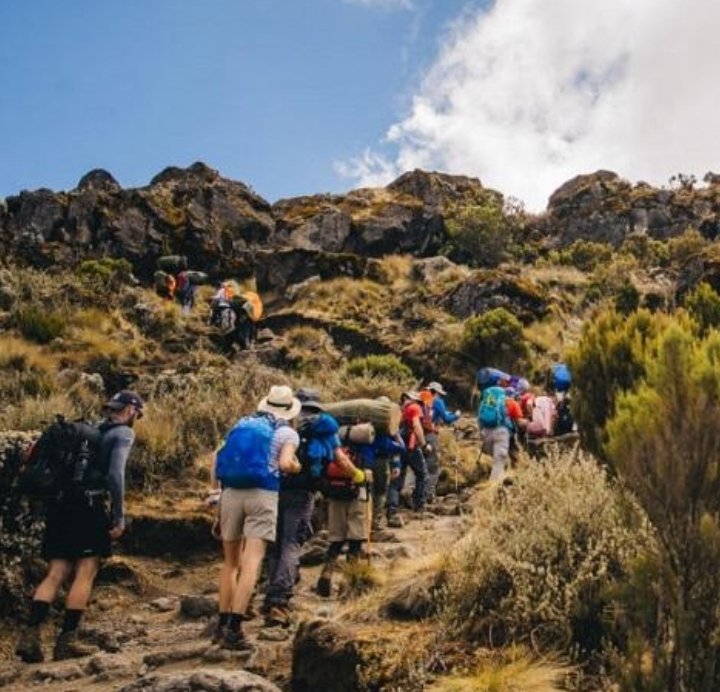
Climbing Mount Kilimanjaro is an unforgettable adventure that requires proper preparation, physical fitness, suitable equipment, and a positive mindset. Although reaching the summit does not require technical mountaineering skills, trekkers must be prepared for long walking days, changing weather conditions, and the challenges of high altitude.
Whether you are planning a private climb, joining a group expedition, or travelling with family and friends, preparing well before your journey will help you enjoy a safer and more comfortable trekking experience.
1. Physical Fitness and Training
Good physical fitness is important when preparing to climb Mount Kilimanjaro. Trekkers should build their endurance through regular walking, hiking, jogging, cycling, swimming, and other cardiovascular exercises.
It is advisable to begin physical preparation approximately 2–3 months before your planned climb. Practising uphill and downhill walking can also help prepare your body for the mountain trails.
2. Choosing the Right Climbing Route
Selecting a suitable route is one of the most important decisions when planning your Kilimanjaro adventure. Each route has different scenery, trekking durations, difficulty levels, and acclimatization opportunities.
Popular options include Marangu, Machame, Lemosho, Rongai, Northern Circuit, Umbwe, and Shira routes.
Choosing an itinerary with sufficient time for acclimatization is particularly important when planning your climb.
3. Proper Climbing Equipment and Clothing
Mount Kilimanjaro passes through several climatic zones, meaning temperatures can change from warm conditions in the rainforest to freezing temperatures near the summit.
Essential climbing equipment and clothing include:
- Waterproof hiking boots.
- Warm jackets and insulated clothing.
- Waterproof trousers and rain jackets.
- Thermal base layers.
- Warm gloves and hats.
- Hiking socks.
- Sleeping bag suitable for freezing temperatures.
- Trekking poles.
- Headlamp with extra batteries.
- Sunglasses and sunscreen.
- Backpack and waterproof bag covers.
- Reusable water bottles or hydration systems.
Having suitable equipment helps keep you comfortable and prepared throughout the climb.
4. Health and Medical Preparation
Before climbing Mount Kilimanjaro, travellers should consider consulting a qualified medical professional, particularly if they have existing health concerns or are unfamiliar with high-altitude environments.
Altitude sickness is one of the main challenges of climbing Kilimanjaro. Symptoms may include headaches, nausea, dizziness, fatigue, and difficulty sleeping.
To reduce altitude-related risks, climbers should ascend slowly, stay hydrated, follow their guides' instructions, and allow sufficient time for acclimatization.
5. Travel Documents and Insurance
International visitors should prepare the necessary travel documents before arriving in Tanzania.
These may include:
- A valid passport.
- Appropriate Tanzanian visa, where required.
- Flight tickets and travel arrangements.
- Comprehensive travel insurance covering high-altitude trekking and emergency evacuation.
- Relevant medical information and personal medication.
Travellers should confirm their individual entry and insurance requirements before departure.
6. Mental Preparation and Positive Attitude
Climbing Mount Kilimanjaro is not only a physical challenge but also a mental journey. Long trekking days, cold summit temperatures, and changing mountain conditions require patience, determination, and a positive attitude.
The famous Swahili expression "Pole Pole", meaning "Slowly, Slowly", is an important principle on Kilimanjaro. Walking at a comfortable pace gives your body more time to adjust to the increasing altitude.
7. Climb with Experienced Mountain Guides
All Mount Kilimanjaro climbs must be organized through authorized operators and accompanied by licensed mountain guides. Professional guides and their mountain crews play an important role in supporting climbers throughout the journey.
They assist with route navigation, daily trekking arrangements, camp coordination, altitude monitoring, meals, and mountain safety procedures.
Prepare for Your Kilimanjaro Adventure with Morishas Tours & Safaris
At Morishas Tours & Safaris, we help travellers prepare for their Mount Kilimanjaro adventure from the beginning of the planning process to the final descent.
We organize private and group climbing experiences, assist with route selection, provide guidance on packing and preparation, and arrange professional local mountain guides and experienced mountain crews.
Whether you are a first-time climber or an experienced trekker, we are ready to help you plan an unforgettable journey to Uhuru Peak, the Roof of Africa.
Accommodation on Mount Kilimanjaro
Accommodation on Mount Kilimanjaro depends on the climbing route you choose. Unlike a normal holiday where travellers stay in hotels or lodges, most climbers sleep in mountain huts or camping tents as they gradually ascend towards the summit.
The mountain offers different accommodation experiences, allowing climbers to enjoy the natural surroundings while resting and preparing for each day's trek.
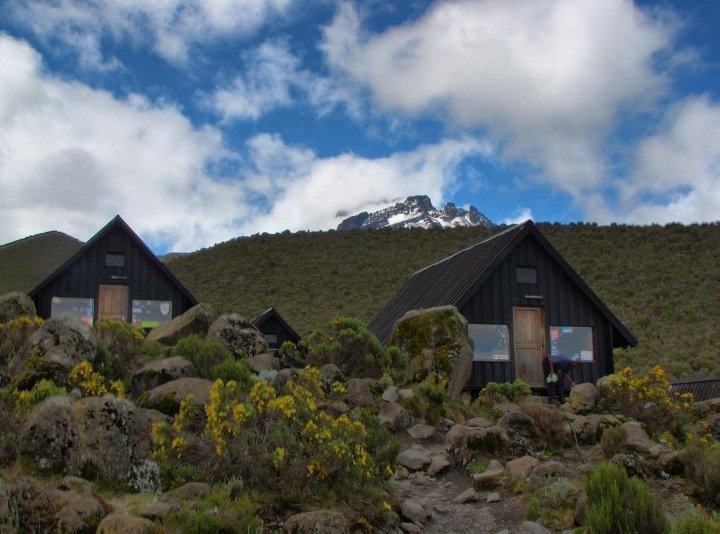
1. Mountain Huts on the Marangu Route
The Marangu Route is the only standard Kilimanjaro climbing route that uses permanent mountain huts instead of camping tents.
There are three main hut stations:
- Mandara Hut (2,700m): The first overnight stop, surrounded by beautiful montane rainforest.
- Horombo Hut (3,720m): A larger mountain station where climbers usually spend one or more nights while adjusting to the altitude.
- Kibo Hut (4,703m): The final overnight stop before beginning the summit attempt to Uhuru Peak.
The huts provide shared sleeping facilities. Climbers should expect basic mountain accommodation rather than luxury hotel services.
2. Camping Accommodation on Other Routes
Routes such as Machame, Lemosho, Rongai, Northern Circuit, Umbwe, and Shira generally use designated mountain campsites.
On these routes, climbers sleep in tents arranged by the climbing operator and supported by the mountain crew.
Some well-known camps include:
- Machame Camp
- Shira Camp
- Barranco Camp
- Karanga Camp
- Barafu Camp
- Mweka Camp
- Rongai Camp
- School Hut
- Various camps along the Northern Circuit
The exact camps depend on the selected route and itinerary.
3. What to Expect at Mountain Camps
Mountain camping is a special part of the Kilimanjaro experience. After a day of trekking, climbers arrive at camp, where the mountain crew helps arrange accommodation and prepare meals.
Depending on the operator and package, camping arrangements may include:
- Sleeping tents.
- Sleeping mattresses.
- Dining tents on supported camping routes.
- Portable toilets where arranged.
- Hot meals and drinking water.
- Support from professional mountain guides and porters.
Facilities are basic compared with hotels, and conditions become colder as you gain altitude.
4. Hotels Before and After Climbing Kilimanjaro
Most travellers prefer to stay in a hotel before and after their Kilimanjaro climb.
Hotels in Moshi and Arusha provide a comfortable place to rest, prepare equipment, meet the climbing team, and recover after completing the trek.
Depending on your travel arrangements, you may choose your own hotel or ask your tour operator to arrange accommodation.
Accommodation Arrangements with Morishas Tours & Safaris
Morishas Tours & Safaris can arrange your Kilimanjaro accommodation according to your chosen route and package.
We can help organize pre-climb and post-climb hotel stays, mountain huts on the Marangu Route, and camping equipment and arrangements on other routes.
Whether you prefer a private climb or a group adventure, we help make your Mount Kilimanjaro trekking experience comfortable, well-organized, and memorable.
Food and Meals on Mount Kilimanjaro
Food is an important part of climbing Mount Kilimanjaro. Trekkers need enough energy to walk for several hours each day, cope with changing weather conditions, and adjust to the increasing altitude.
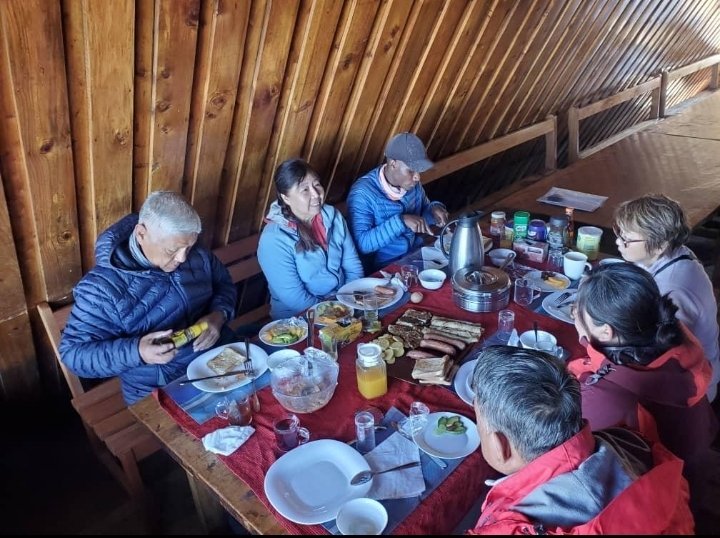
During a guided Kilimanjaro climb, meals are normally prepared by a professional mountain cook and supported by the mountain crew. The food is designed to provide energy and help climbers maintain their strength throughout the journey.
1. What Food Is Served on Mount Kilimanjaro?
Meals on Mount Kilimanjaro usually include a combination of fresh vegetables, fruits, carbohydrates, and protein. Depending on the operator and menu, climbers may enjoy:
- Rice, pasta, potatoes, and bread.
- Chicken, beef, fish, beans, and eggs.
- Fresh vegetables and soups.
- Fresh fruits such as bananas, oranges, and watermelon.
- Porridge, pancakes, and eggs for breakfast.
- Tea, coffee, hot chocolate, and other warm drinks.
Menus may vary depending on the climbing package, food availability, and individual dietary requirements.
2. Breakfast, Lunch, and Dinner
Breakfast: Climbers usually start the day with a warm and filling breakfast. This may include porridge, eggs, bread, pancakes, fruit, tea, or coffee.
Lunch: Lunch may be served at a designated resting point along the trail or at camp, depending on the day's itinerary. It can include sandwiches, rice, chicken, vegetables, fruit, and other energy-giving foods.
Dinner: After reaching camp, climbers enjoy a freshly prepared hot meal. Dinner often includes soup, vegetables, rice, pasta, potatoes, or other suitable dishes.
3. Drinking Water and Hydration
Staying hydrated is essential when climbing Mount Kilimanjaro. Drinking enough water supports your body as it adjusts to high altitude and helps maintain energy during long trekking days.
Treated drinking water is normally provided during organized climbs. Trekkers should carry reusable water bottles or a hydration system and drink regularly throughout the day.
Warm drinks such as tea and hot chocolate may also be available at camps.
4. Special Dietary Requirements
Travellers with special dietary needs should inform their tour operator before the climb.
Depending on the arrangements, meals can be planned for vegetarians, vegans, and people with certain food allergies or dietary restrictions.
If you have specific requirements, communicate them early so the mountain team can prepare accordingly.
Enjoy Your Kilimanjaro Climb with Morishas Tours & Safaris
At Morishas Tours & Safaris, we understand that good meals are an important part of a successful mountain adventure.
Our organized climbing packages include meal arrangements throughout the trek, with food prepared by our mountain cooking team. We also encourage guests to communicate their dietary preferences and special requirements before arrival.
From breakfast in the mountain camps to warm dinners after a long trekking day, we aim to make your Mount Kilimanjaro experience enjoyable, comfortable, and well-supported.
Safety and Altitude Sickness on Mount Kilimanjaro
Safety is one of the most important aspects of climbing Mount Kilimanjaro. Standing at 5,895 metres above sea level, the mountain presents challenges such as high altitude, low oxygen levels, cold temperatures, changing weather, and physically demanding trails.
One of the biggest challenges climbers face is altitude sickness, also known as Acute Mountain Sickness (AMS). Understanding the risks and following proper safety procedures can help make your Kilimanjaro adventure safer and more enjoyable.
1. Understanding Altitude Sickness
Altitude sickness occurs when the body struggles to adjust to the reduced oxygen availability at higher elevations. It can affect anyone, regardless of age, physical fitness, or previous hiking experience.
As climbers ascend Mount Kilimanjaro, their bodies need enough time to adapt to the increasing altitude.
2. Common Symptoms of Altitude Sickness
Symptoms may develop as climbers reach higher elevations. Common signs include:
- Headaches.
- Nausea or vomiting.
- Dizziness.
- Loss of appetite.
- Unusual tiredness or weakness.
- Difficulty sleeping.
- Reduced energy levels.
Climbers should report any symptoms to their mountain guide immediately, even if they appear mild.
3. Serious Altitude-Related Conditions
In some cases, altitude sickness can develop into serious medical conditions.
High Altitude Cerebral Edema (HACE): This is a serious condition involving swelling of the brain. Warning signs may include confusion, difficulty walking or maintaining balance, unusual behaviour, and extreme drowsiness.
High Altitude Pulmonary Edema (HAPE): This condition involves fluid accumulation in the lungs. Warning signs may include unusual breathlessness, especially at rest, persistent coughing, chest tightness, and severe weakness.
Both conditions are medical emergencies requiring immediate action, including descent to a lower altitude and urgent medical assistance.
4. How to Reduce the Risk of Altitude Sickness
Although altitude sickness cannot always be prevented, proper planning and responsible climbing practices can reduce the risk.
Important precautions include:
- Choose an itinerary with sufficient acclimatization time.
- Walk slowly and maintain a comfortable pace.
- Follow the principle of "Pole Pole", meaning slowly, slowly.
- Drink enough treated water throughout the day.
- Eat regular meals to maintain energy.
- Follow your mountain guide's instructions.
- Avoid ascending to a higher sleeping altitude when experiencing altitude sickness symptoms.
- Allow your body enough time to adjust to changing elevations.
Longer climbing itineraries generally provide more opportunities for acclimatization, although no route can guarantee freedom from altitude sickness.
5. The Importance of Experienced Mountain Guides
Professional mountain guides play an essential role in maintaining safety throughout the climb.
They monitor climbers' general condition, recognize possible altitude sickness symptoms, guide the trekking pace, and help make important decisions when health concerns arise.
Climbers should always communicate honestly with their guides and never hide symptoms because they want to reach the summit.
6. What Happens If a Climber Becomes Seriously Ill?
If a climber develops serious altitude sickness or other medical problems, the mountain team must take appropriate action.
Depending on the situation, this may involve stopping the ascent, providing emergency assistance, arranging descent to a lower altitude, or organizing evacuation.
Descending to a lower altitude is a critical treatment for serious altitude illness. Reaching Uhuru Peak should never be more important than protecting a climber's health and safety.
7. General Mountain Safety Tips
Apart from altitude sickness, climbers should also take precautions against other mountain risks.
- Wear suitable hiking boots and weather-appropriate clothing.
- Carry a headlamp for night trekking and summit attempts.
- Stay on designated mountain trails.
- Follow instructions from guides and park authorities.
- Protect yourself against cold temperatures, rain, and strong sunlight.
- Inform your guide about any medical concerns or medication.
- Carry suitable travel insurance that covers high-altitude trekking and emergency evacuation.
Climb Safely with Morishas Tours & Safaris
At Morishas Tours & Safaris, we understand that reaching the summit of Mount Kilimanjaro is an exciting dream for many travellers. However, safety must always come first.
We organize guided Kilimanjaro climbing experiences with professional local mountain teams, carefully planned itineraries, and guidance throughout the trekking journey.
Whether you choose the Marangu, Machame, Lemosho, Rongai, or another route, our team helps you prepare for the challenges of the mountain and enjoy your adventure responsibly.
Kilimanjaro Summit Experience – Reaching Uhuru Peak at 5,895 Metres
Reaching Uhuru Peak is the ultimate highlight of climbing Mount Kilimanjaro. Standing at 5,895 metres (19,341 feet) above sea level, Uhuru Peak is the highest point in Africa and one of the most memorable destinations for adventure travellers from around the world.
The summit experience is more than reaching a geographical landmark. It is a journey of determination, patience, courage, and personal achievement.
1. The Final Ascent to Uhuru Peak
For most climbing routes, the final summit attempt begins around midnight or shortly after midnight, depending on the route and weather conditions.
Climbers start their journey in darkness, wearing warm clothing and using headlamps to navigate the mountain trail. The ascent is usually slow and demanding because of the high altitude, cold temperatures, and reduced oxygen levels.
Along the way, mountain guides encourage climbers to maintain a steady pace and take necessary breaks.
2. Stella Point and Gillman's Point
Depending on the route, climbers may pass through important points along the crater rim before reaching Uhuru Peak.
- Gillman's Point (5,681m): Located on the crater rim and commonly reached by climbers using the Marangu Route.
- Stella Point (5,756m): Another major point on the crater rim, commonly reached through routes such as Machame, Lemosho, and Rongai.
From these points, climbers continue towards Uhuru Peak, following the designated trail.
3. Reaching Uhuru Peak – The Roof of Africa
After hours of climbing, reaching Uhuru Peak is an unforgettable moment. At the summit, climbers can celebrate their achievement, take photographs, and enjoy the extraordinary feeling of standing at the highest point in Africa.
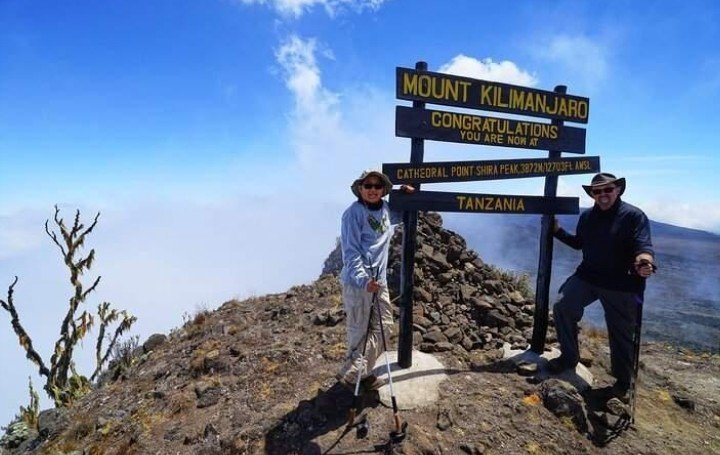
The famous Uhuru Peak sign is one of the most recognized photographic landmarks on Mount Kilimanjaro.
On clear days, the surrounding glaciers, volcanic landscapes, and distant views create a remarkable mountain experience.
However, summit time is usually limited because of the extreme altitude and cold conditions. Climbers should follow their guides' instructions before beginning the descent.
4. Sunrise on Mount Kilimanjaro
One of the most beautiful moments of the summit attempt is watching the sunrise from high on the mountain.
As the first sunlight appears over the horizon, the surrounding landscape gradually becomes visible. The changing colours of the sky, mountain glaciers, and distant scenery create an unforgettable experience.
Weather conditions can affect visibility, but the sunrise remains one of the most anticipated moments of a Kilimanjaro climb.
5. Celebrating Your Achievement
Reaching Uhuru Peak is a personal achievement worth celebrating. Some travellers climb Kilimanjaro to fulfil a lifelong dream, while others choose the mountain for birthdays, anniversaries, honeymoons, personal challenges, or special group adventures.
Whether you climb alone with a private mountain crew, with friends, as a couple, or in a group, the summit experience creates memories that can last a lifetime.
Experience Uhuru Peak with Morishas Tours & Safaris
Morishas Tours & Safaris helps travellers organize their journey to the Roof of Africa through carefully planned Kilimanjaro climbing packages.
From choosing the right route and preparing for the trek to organizing professional local mountain guides and experienced crews, we support your adventure from the beginning to the final descent.
Whether your dream is to celebrate at Uhuru Peak during Christmas, New Year, Easter, or another special occasion, we can help you plan a memorable Mount Kilimanjaro climbing experience.
Cost of Climbing Mount Kilimanjaro – What Determines the Price?
The cost of climbing Mount Kilimanjaro depends on several factors, including the route, number of trekking days, group size, accommodation arrangements, and level of service.
Whether you are planning an affordable group climb or a private mountain expedition, understanding the costs involved will help you choose a package that matches your budget and travel expectations.
1. Climbing Route and Number of Days
The route and duration of your climb are among the main factors that determine the total cost.
Longer itineraries generally cost more because they require additional park fees, meals, accommodation arrangements, and mountain crew services.
For example, a 5-day Marangu climb will generally have a different price from a 7-day Machame or an 8-day Lemosho climb.
2. National Park Fees
Kilimanjaro National Park charges several fees for climbers. Depending on the itinerary, these may include:
- Conservation fees.
- Camping fees or hut fees.
- Rescue fees.
- Applicable taxes and other official charges.
These fees form an important part of the total climbing package.
3. Group Climbing or Private Climbing
The number of people in your climbing group can affect the cost per person.
Group Climbing: Joining other travellers can help reduce the individual cost because some operational expenses are shared.
Private Climbing: A private climb offers more flexibility in travel dates, pace, and arrangements. However, the cost per person may be higher, especially for solo travellers.
4. Accommodation Before and After the Climb
Many travellers prefer to stay in Moshi or Arusha before and after their Kilimanjaro adventure.
The accommodation cost depends on the hotel category, room type, number of nights, and services selected.
Travellers can choose budget, mid-range, or luxury accommodation according to their preferences and budget.
5. Mountain Guides, Porters, and Cooks
A Kilimanjaro climbing expedition requires a professional mountain team.
The package cost includes arrangements for essential mountain crew services, such as:
- Professional mountain guides.
- Assistant guides where required.
- Porters.
- Mountain cooks.
- Camp and equipment support.
The size of the crew depends on the route, group size, and operational requirements.
6. Equipment and Personal Expenses
Some climbing packages provide shared or essential camping equipment, while travellers may need to bring or rent certain personal items.
Personal expenses may include:
- Sleeping bags and personal climbing equipment.
- Trekking clothing and footwear.
- Personal snacks and drinks.
- Travel insurance.
- International flights and visa fees.
- Personal medication.
- Tips for the mountain crew.
Always check what is included and excluded before confirming a booking.
7. Budget, Mid-Range, and Luxury Climbing Packages
Mount Kilimanjaro can be climbed through different service levels depending on your preferences.
Budget Climbing: Suitable for travellers looking for a more affordable experience while maintaining the essential services and safety requirements of an organized climb.
Mid-Range Climbing: Offers a balance of comfort, service, accommodation, and overall climbing arrangements.
Luxury Climbing: May include upgraded accommodation before and after the climb, enhanced equipment, additional comfort services, and more personalized arrangements.
The actual services offered vary between operators, so travellers should compare package details rather than price alone.
Get Your Kilimanjaro Climbing Quote from Morishas Tours & Safaris
At Morishas Tours & Safaris, we organize customized Mount Kilimanjaro climbing packages based on your preferred route, number of days, group size, accommodation, and budget.
We welcome solo travellers, couples, families, friends, and organized groups.
Whether you are looking for an affordable group climb, a private trekking experience, or a more comfortable package, our team can help you choose suitable arrangements.
Contact Morishas Tours & Safaris for a personalized Kilimanjaro climbing quotation and start planning your journey to Uhuru Peak.
What Is Included and Excluded in a Mount Kilimanjaro Climbing Package?
Before booking a Mount Kilimanjaro climbing adventure, it is important to understand what is included and excluded in your package. Different tour operators offer different services depending on the route, number of days, accommodation, and level of service.
At Morishas Tours & Safaris, we provide clear package information to help travellers understand their arrangements before beginning their Kilimanjaro adventure.
1. What Is Usually Included in a Kilimanjaro Climbing Package?
A typical organized Kilimanjaro climbing package may include:
- Kilimanjaro National Park entrance and conservation fees.
- Camping fees or mountain hut accommodation fees, depending on the route.
- Professional licensed mountain guides.
- Porters and mountain cooks.
- All meals during the mountain trek.
- Hotel accommodation before and after the climb.
- Treated drinking water during the climb.
- Camping tents and sleeping mattresses on camping routes.
- Dining tent and essential camping equipment where applicable.
- Rescue fees and park-required safety arrangements.
- Transfers to and from the mountain gates.
- Airport pick-up and drop-off
- Government taxes and applicable park charges.
- Emergency support from the mountain team.
The exact inclusions should always be confirmed in your selected itinerary and quotation.
2. What Is Usually Excluded from a Kilimanjaro Climbing Package?
Unless specifically stated in the quotation, the following expenses may not be included:
- International flights to and from Tanzania.
- Tanzanian visa fees, where applicable.
- Travel and high-altitude trekking insurance.
- Personal climbing equipment and clothing.
- Sleeping bag, unless provided or rented.
- Meals outside the mountain itinerary.
- Personal snacks and additional drinks.
- Personal medication and medical expenses.
- Tips for mountain guides, porters, and cooks.
- Personal shopping and other expenses.
- Any additional services not specified in the package.
3. Airport Transfers and Hotel Accommodation
Airport transfers and hotel accommodation arrangements can vary between climbing packages.
Travellers may arrive through Kilimanjaro International Airport (JRO) or Arusha Airport (ARK), depending on their flight arrangements.
As Morishas Tours and Safaris before our clients booking, we confirm together with clients whether airport pickup, airport drop-off, and hotel accommodation in Moshi or Arusha are included in their quotation.
4. Tips for the Mountain Crew
Tipping is a common way for climbers to show appreciation to the mountain crew for their hard work and support.
Guides, assistant guides, porters, and cooks all contribute to the climbing experience. Tips are generally handled separately from the package price and are not the same as mandatory park or government fees.
Travellers should ask their tour operator for guidance on customary tipping arrangements before the climb.
What to Pack for Climbing Mount Kilimanjaro, Complete Packing List
Packing the right equipment is essential when preparing to climb Mount Kilimanjaro. The mountain passes through several climatic zones, from warm tropical rainforest to freezing alpine and arctic conditions near the summit.
Temperatures can change significantly during the climb, so every trekker should carry suitable clothing, footwear, personal equipment, and essential accessories.
Whether you choose the Marangu, Machame, Lemosho, Rongai, or another route, having the correct packing list will help you stay comfortable and prepared throughout your adventure.
1. Clothing for Climbing Mount Kilimanjaro
Layering is one of the best ways to manage changing mountain temperatures. Your clothing should keep you warm, dry, and comfortable during different stages of the climb.
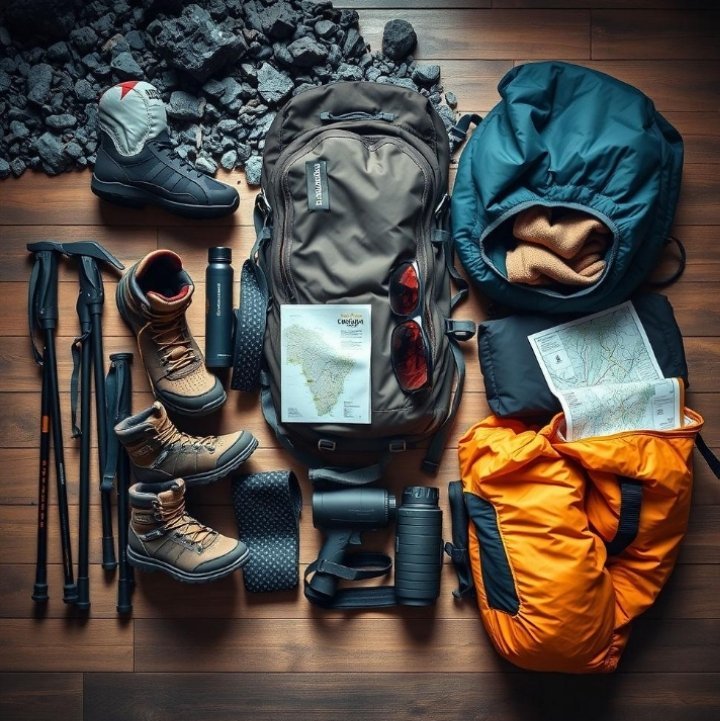
Recommended clothing includes:
- Thermal base layers (top and bottom).
- Lightweight trekking shirts.
- Hiking trousers.
- Fleece jacket or mid-layer.
- Warm insulated jacket or down jacket.
- Waterproof and windproof jacket.
- Waterproof trekking trousers.
- Warm sleeping clothes.
- Lightweight underwear.
- Hiking socks and thermal socks.
- Warm gloves and inner gloves.
- Warm hat or beanie.
- Sun hat or cap.
- Neck warmer or buff.
2. Hiking Boots and Footwear
Good footwear is important because you will walk on different types of terrain, including forest trails, rocky paths, loose gravel, and volcanic landscapes.
Essential footwear includes:
- Comfortable waterproof hiking boots.
- Lightweight camp shoes or sandals.
- Gaiters to help protect against dust and loose stones.
- Several pairs of comfortable hiking socks.
It is strongly recommended to break in your hiking boots before arriving in Tanzania to reduce the risk of blisters.
3. Sleeping Equipment
Sleeping conditions become colder as you climb higher. Suitable sleeping equipment helps you rest comfortably at mountain camps.
Recommended items include:
- Sleeping bag suitable for freezing mountain temperatures.
- Sleeping bag liner, if preferred.
- Small travel pillow, if needed.
- Sleeping mat, depending on the equipment provided by your operator.
On the Marangu Route, climbers sleep in mountain huts. Other standard routes generally use camping tents.
4. Backpack and Personal Bags
Your bags should be practical, comfortable, and suitable for mountain trekking.
Consider carrying:
- Daypack for personal essentials.
- Duffel bag or suitable luggage for equipment carried by porters.
- Waterproof backpack cover.
- Dry bags or waterproof packing bags.
- Small personal waist bag, if useful.
Remember that porter luggage is subject to park regulations and weight limits. Your operator will advise you on the permitted luggage arrangements.
5. Personal Hygiene and Toiletries
Personal hygiene remains important during a multi-day mountain expedition.
Useful items include:
- Toothbrush and toothpaste.
- Biodegradable or suitable personal soap.
- Wet wipes.
- Hand sanitizer.
- Small quick-drying towel.
- Toilet paper.
- Personal hygiene products.
- Lip balm.
- Sunscreen with high SPF.
- Moisturizer.
- Small rubbish bags for personal waste.
6. Essential Climbing Accessories
These small items can make a significant difference during your trek.
- Headlamp with extra batteries.
- Trekking poles.
- UV-protection sunglasses.
- Water bottles or hydration bladder.
- Water purification tablets, if advised.
- Power bank.
- Camera or smartphone.
- Extra charging cables.
- Small repair kit.
- Earplugs.
- Energy snacks, if desired.
7. Personal Medication and First Aid
Travellers should bring their personal medication and inform their mountain operator about any relevant medical needs.
Useful items may include:
- Personal prescription medication.
- Basic blister care supplies.
- Personal first-aid essentials.
- Any medication recommended by your healthcare professional.
- Personal medical information and emergency contacts.
Your climbing operator should also have appropriate first-aid and emergency arrangements. Do not rely only on your personal supplies.
8. Important Travel Documents
Before travelling to Tanzania, make sure you have the necessary documents and travel arrangements.
These may include:
- Valid passport.
- Tanzanian visa, if required.
- Flight tickets.
- Travel insurance covering high-altitude trekking and emergency evacuation.
- Hotel booking confirmation.
- Tour and climbing confirmation.
- Copies of important travel documents.
Keep important documents safe and accessible during your journey.
9. What Not to Pack
Avoid carrying unnecessary items that increase the weight of your luggage.
You generally do not need:
- Heavy casual clothing.
- Excessive personal accessories.
- Unnecessary electronic equipment.
- Large bottles of toiletries.
- Too many pairs of shoes.
- Items that are not suitable for mountain conditions.
Pack carefully and prioritize essential equipment.
Prepare Your Kilimanjaro Packing List with Morishas Tours & Safaris
At Morishas Tours & Safaris, we help travellers prepare for their Mount Kilimanjaro adventure by providing packing guidance according to their selected route and number of trekking days.
We can also advise on essential equipment, available rental options, and the items that may already be provided as part of your climbing package.
Whether you are climbing during the dry season, Christmas and New Year, Easter holidays, or another special occasion, our team can help you prepare for the mountain conditions.
Why Choose Morishas Tours & Safaris for Your Mount Kilimanjaro Adventure?
Choosing the right Tanzania tour operator is an important part of planning a successful Mount Kilimanjaro climbing experience. At Morishas Tours & Safaris, we are committed to helping travellers explore Tanzania through well-organized, personalized, and memorable adventures.
As a local Tanzania tour operator, we understand the mountain, its climbing routes, and the importance of professional guidance, proper preparation, and reliable travel arrangements.
1. Local Knowledge and Experience
We understand Tanzania's tourism destinations and help travellers make informed decisions when planning their Kilimanjaro climbing adventures.
From selecting a suitable route to organizing mountain logistics, our local knowledge helps create a well-planned experience.
2. Professional Local Mountain Teams
We work with professional mountain guides and experienced mountain crews who support climbers throughout their journey.
Our focus is on responsible trekking, proper mountain arrangements, and the safety and well-being of our guests.
3. Customized Kilimanjaro Climbing Packages
Every traveller has different expectations, available time, and budget.
We offer flexible climbing arrangements for:
- Solo travellers.
- Couples and honeymooners.
- Families.
- Friends and small groups.
- Private climbing expeditions.
- Group joining climbs.
- Christmas, New Year, and Easter adventures.
You can choose your preferred route, number of days, travel dates, and accommodation arrangements.
4. Flexible Travel and Accommodation Arrangements
We can help arrange airport transfers, hotel accommodation in Moshi or Arusha, transportation to the mountain gates, and post-climb transfers.
You can also choose to combine your Kilimanjaro climb with other experiences in Tanzania.
5. Competitive and Flexible Pricing
We understand that travellers have different budgets. That is why we help organize climbing packages based on your preferred services, group size, route, and available budget.
Our aim is to provide clear quotations and value for your investment.
6. Kilimanjaro and Tanzania Safari Combinations
Your adventure does not have to end after reaching Uhuru Peak.
You can extend your holiday with wildlife safaris in Serengeti, Ngorongoro, Tarangire, Lake Manyara, or other national parks.
You can also explore Materuni Waterfalls, Chemka Hot Springs, Maasai cultural experiences, and the beautiful beaches of Zanzibar.
7. Personalized Support from Planning to Departure
We help you prepare for your journey by providing route information, packing guidance, travel arrangements, and assistance with organizing your climbing experience.
Our goal is to make your trip as smooth and enjoyable as possible, from your arrival in Tanzania until your departure.
Start Your Mount Kilimanjaro Adventure with Morishas Tours & Safaris
Whether you are planning your first mountain climb, a special holiday with your partner, a family adventure, or a challenging expedition with friends, Morishas Tours & Safaris is ready to help.
Discover the beauty of Mount Kilimanjaro National Park, experience Tanzania's remarkable landscapes, and create unforgettable memories with a local team that understands your destination.
Contact Morishas Tours & Safaris today and let us help you plan your journey to the Roof of Africa. In simpy contact us ln WhatsApp: +255 765 121 779 Email: morishastoursandsafaris@gmail.com
Frequently Asked Questions About Mount Kilimanjaro National Park
1. Where is Mount Kilimanjaro National Park located?
Mount Kilimanjaro National Park is located in northeastern Tanzania, in the Kilimanjaro Region, near the towns of Moshi and Arusha and close to the Kenyan border.
2. How high is Mount Kilimanjaro?
Mount Kilimanjaro stands at 5,895 metres (19,341 feet) above sea level. Its highest point is Uhuru Peak on Kibo, making it the highest mountain in Africa.
3. Is Mount Kilimanjaro the highest mountain in Africa?
Yes. Mount Kilimanjaro is the highest mountain in Africa and the world's highest free-standing mountain.
4. Can beginners climb Mount Kilimanjaro?
Yes. Beginners can climb Mount Kilimanjaro without previous mountaineering experience. However, good preparation, physical fitness, sufficient acclimatization time, and professional mountain guides are important.
5. How many days does it take to climb Mount Kilimanjaro?
Depending on the route and itinerary, a climb usually takes between 5 and 9 days on the mountain. Longer itineraries generally provide more time for acclimatization.
6. Which is the best route for climbing Mount Kilimanjaro?
There is no single best route for everyone. Marangu, Machame, Lemosho, Rongai, and Northern Circuit are popular choices. The right route depends on your available time, fitness, experience, budget, and acclimatization needs.
7. What is the easiest route to climb Mount Kilimanjaro?
Marangu is often considered one of the more straightforward routes in terms of trail layout and accommodation because it uses mountain huts. However, its shorter itineraries can be challenging due to limited acclimatization time.
8. What is the most difficult route on Mount Kilimanjaro?
Umbwe is generally considered one of the steepest and most demanding standard routes. Its rapid ascent makes acclimatization particularly important.
9. What is the best time to climb Mount Kilimanjaro?
The main climbing seasons are generally January to early March and June to October. However, climbers can plan expeditions at other times of the year depending on weather conditions and personal preferences.
10. Can I climb Mount Kilimanjaro during Christmas and New Year?
Yes. Christmas and New Year are popular periods for climbing Mount Kilimanjaro. Travellers can organize special holiday climbs through Marangu, Machame, Lemosho, Rongai, and other routes, subject to availability.
11. Can I climb Mount Kilimanjaro during Easter?
Yes. Easter is another opportunity to plan a Kilimanjaro climbing holiday. Since Easter dates change every year, it is advisable to organize your trip early.
12. Can I combine Kilimanjaro climbing with AFCON 2027?
Yes. Travellers visiting Tanzania for the Africa Cup of Nations (AFCON) 2027 can consider combining their football experience with a Mount Kilimanjaro climb, wildlife safari, or Zanzibar beach holiday. Match schedules and travel dates should be checked before making arrangements.
13. Do I need previous mountain climbing experience?
No. Previous mountain climbing experience is not compulsory. However, regular physical training and preparation for long-distance walking are strongly recommended.
14. Is altitude sickness common on Mount Kilimanjaro?
Altitude sickness is a possible challenge because of the mountain's high elevation. It can affect both fit and less physically active climbers. Choosing a suitable itinerary, ascending slowly, and following your guide's instructions are important.
15. Is Mount Kilimanjaro covered with snow?
The upper mountain has glaciers and areas of ice and snow, although their extent changes over time. The summit is extremely cold, while the lower slopes are much warmer.
16. Are there animals in Mount Kilimanjaro National Park?
Yes. The park supports different wildlife species, including blue monkeys, black-and-white colobus monkeys, bushbucks, elephants, and various bird species. Wildlife sightings are not guaranteed during a climb.
17. Where do climbers sleep on Mount Kilimanjaro?
Accommodation depends on the route. Marangu uses permanent mountain huts, while most other standard routes use designated campsites with organized tents.
18. Is food provided during the Kilimanjaro climb?
Yes. Organized climbing packages generally include breakfast, lunch, and dinner during the mountain trek. Meals are prepared by the mountain cooking team, and special dietary requirements can often be arranged in advance.
19. Can I climb Mount Kilimanjaro alone?
Independent solo trekking without the required mountain crew is not permitted. Travellers can, however, book a private climb with professional guides and support staff, even when travelling alone.
20. What airport should I use when visiting Mount Kilimanjaro?
Kilimanjaro International Airport (JRO) is the main international gateway for visitors travelling to the mountain. Arusha Airport (ARK) also serves domestic flights.
21. Can I combine Mount Kilimanjaro with a Tanzania safari?
Absolutely. You can combine your climb with wildlife safaris in Serengeti, Ngorongoro, Tarangire, Lake Manyara, and other destinations. Zanzibar beach holidays and cultural experiences are also popular additions.
22. How much does it cost to climb Mount Kilimanjaro?
The cost depends on the route, number of days, group size, accommodation, mountain crew arrangements, and service level. Contact Morishas Tours & Safaris for a quotation based on your preferred itinerary and budget.
23. Can I customize my Kilimanjaro climbing package?
Yes. You can customize your climb according to your preferred route, dates, number of days, group size, accommodation, airport transfers, and budget.
24. Why should I book my Kilimanjaro climb with Morishas Tours & Safaris?
Morishas Tours & Safaris is a local Tanzania tour operator offering personalized mountain climbing experiences, professional local mountain teams, safari packages, and customized travel arrangements. We help travellers plan their adventures according to their preferences, schedules, and budgets.